
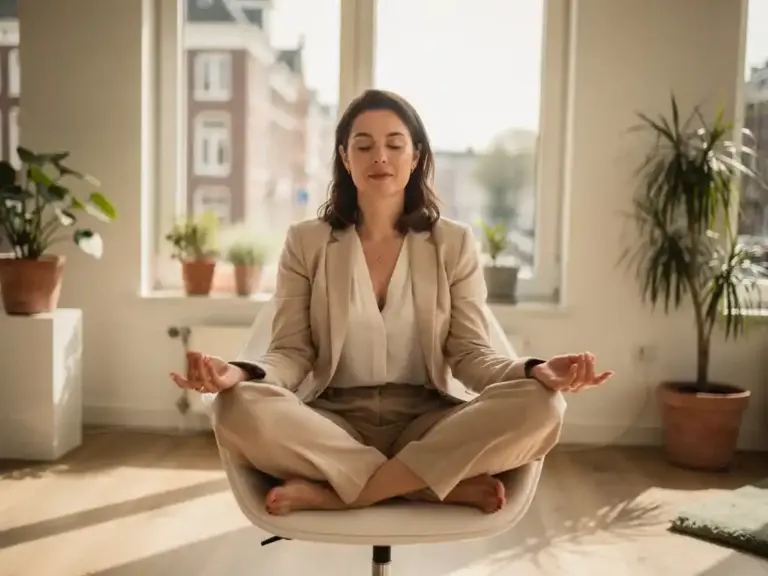
The best mindfulness exercises for professionals include breathing techniques, body scans, walking meditation, and micro-moments of awareness that can be practiced during work hours. These practices take as little as 2–3 minutes and help reduce stress, improve focus, and enhance overall workplace well-being. You don’t need special equipment or extensive training to start incorporating mindfulness into your professional routine.
Modern work environments often leave professionals feeling overwhelmed and disconnected. Mindfulness offers practical tools to navigate workplace challenges while maintaining mental clarity and emotional balance throughout your career.
What is mindfulness, and why do professionals need it?
Mindfulness is the practice of paying attention to the present moment without judgment, helping you become aware of your thoughts, feelings, and surroundings. For professionals, mindfulness is a powerful tool for managing stress, improving decision-making, and maintaining focus in demanding work environments.
The professional world presents unique challenges that make mindfulness particularly valuable. Constant emails, back-to-back meetings, and tight deadlines create a state of chronic stress that affects both performance and well-being. When you practice mindfulness regularly, you develop the ability to pause before reacting, make clearer decisions under pressure, and maintain emotional equilibrium in challenging situations.
Research consistently shows that mindful professionals experience reduced burnout, improved creativity, and better relationships with colleagues. You become more resilient to workplace stressors and develop a greater sense of control over your professional experience. This enhanced workplace well-being translates into higher job satisfaction and greater career longevity.
How much time do mindfulness exercises actually require?
Effective mindfulness exercises take as little as 2–3 minutes, making them accessible even for the busiest professionals. You can experience benefits from micro-practices throughout your day rather than needing lengthy meditation sessions.
The beauty of workplace mindfulness lies in its flexibility. A simple breathing exercise between meetings takes only 30 seconds to 2 minutes. Body scan techniques can be completed in 3–5 minutes during lunch breaks. Even a mindful walk to the coffee machine or restroom becomes a valuable practice when done with intention.
Many professionals find success with a combination approach. You might start your day with a 5-minute mindfulness practice, incorporate 1–2 minute breathing exercises between tasks, and end your workday with a brief reflection. This distributed approach often proves more sustainable than attempting longer sessions that feel overwhelming or unrealistic given your schedule.
What are the easiest mindfulness exercises for beginners?
The easiest mindfulness exercises for beginners include the 4-7-8 breathing technique, the 5-4-3-2-1 grounding exercise, and mindful observation of everyday activities. These practices require no special equipment and can be learned within minutes.
The 4-7-8 breathing technique involves inhaling for 4 counts, holding for 7 counts, and exhaling for 8 counts. This simple pattern naturally calms your nervous system and can be done anywhere. You can practice this technique before important meetings or during stressful moments.
The 5-4-3-2-1 grounding exercise engages your senses by identifying 5 things you can see, 4 things you can touch, 3 things you can hear, 2 things you can smell, and 1 thing you can taste. This exercise quickly brings your attention to the present moment and works particularly well when you feel overwhelmed or anxious.
Mindful observation transforms routine activities into mindfulness practices. You can eat your lunch mindfully by focusing on flavors and textures, or walk mindfully by paying attention to your steps and surroundings. These exercises integrate seamlessly into your existing routine without requiring additional time.
How can you practice mindfulness during work hours?
You can practice mindfulness during work hours through desk-based breathing exercises, mindful transitions between tasks, conscious email reading, and brief body-awareness checks. These techniques integrate naturally into your workflow without disrupting productivity.
Desk-based practices work exceptionally well in office environments. Try the “STOP” technique when you feel stressed: Stop what you’re doing, Take a breath, Observe your thoughts and feelings, and Proceed with awareness. This takes less than a minute but creates significant mental space.
Transform your transitions into mindful moments. When moving between meetings, focus on your breathing for three conscious breaths. Before opening emails, take a moment to center yourself and set an intention for how you want to engage. These micro-practices accumulate throughout your day, creating sustained workplace well-being.
Use technology mindfully by creating intentional pauses. Before responding to messages or making phone calls, take one deep breath and consider your intention. This simple practice improves communication quality and reduces reactive responses that you might later regret.
Which mindfulness apps work best for busy professionals?
The most effective mindfulness apps for busy professionals include Headspace, Calm, Insight Timer, and Ten Percent Happier, each offering short sessions specifically designed for workplace use. These apps provide guided exercises ranging from 1–10 minutes, with content tailored to professional challenges.
Headspace offers a “Work & Productivity” series with exercises for focus, handling difficult conversations, and managing workplace stress. Its “SOS” feature provides quick relief techniques for immediately stressful situations. The app’s interface makes it easy to find appropriate exercises based on your available time and current needs.
Calm features a “Daily Calm” program with 10-minute sessions and shorter “Daily Move” exercises. Its masterclasses cover topics like managing anxiety and improving sleep, which directly affect professional performance. The app also includes nature sounds and background music for creating a more mindful work environment.
Consider your learning style when choosing an app. Some people prefer guided meditations with detailed instructions, while others benefit from simple timer functions with gentle bells. Many apps offer free trials, allowing you to explore different approaches before committing to a subscription.
How do you maintain consistency with mindfulness practice?
Maintain consistency with mindfulness practice by starting small, linking exercises to existing habits, setting realistic expectations, and tracking your progress. Success comes from building sustainable routines rather than striving for perfect daily practice.
Start with just one mindful breath when you sit down at your desk each morning. This tiny habit becomes your foundation for larger practices. Once this feels automatic, you can gradually add other elements like mindful coffee drinking or conscious breathing before meetings. Small, consistent actions build stronger habits than ambitious practices you can’t maintain.
Link mindfulness to established routines through habit stacking. Practice three conscious breaths every time you check your calendar, or do a brief body scan whenever you wash your hands. These connections make mindfulness feel natural rather than like another task on your to-do list.
Track your practice simply and without judgment. You might note in your calendar when you practiced or use a simple app to record mindful moments. Focus on progress rather than perfection, celebrating weeks when you practiced several times rather than criticizing yourself for missing days. This supportive approach to workplace well-being creates lasting change.
Building a sustainable mindfulness practice transforms both your professional experience and personal well-being. As you develop these skills, you’ll likely find yourself naturally gravitating toward communities and resources that support your growth. Joining our community connects you with like-minded professionals who prioritize both career success and personal well-being. We regularly host events focused on professional development that includes wellness components, creating opportunities to practice mindfulness alongside career advancement. At Female Ventures, we understand that sustainable professional success requires attention to both achievement and well-being, and we’re here to support your journey toward a more mindful and fulfilling career.
Frequently Asked Questions
What should I do if I keep forgetting to practice mindfulness during busy workdays?
Set gentle reminders on your phone or computer at strategic times like before lunch, mid-afternoon, or before leaving work. You can also place visual cues like a small sticky note on your monitor or a mindfulness app icon prominently on your phone’s home screen. The key is making mindfulness as automatic as checking your email—start with just one consistent reminder until it becomes second nature.
Can mindfulness actually help with specific workplace challenges like difficult colleagues or high-pressure deadlines?
Yes, mindfulness provides practical tools for these exact situations. Before difficult conversations, a few conscious breaths help you respond thoughtfully rather than reactively. During tight deadlines, brief grounding exercises prevent panic and maintain clear thinking. The pause that mindfulness creates allows you to choose your response rather than being driven by stress hormones, leading to better outcomes in challenging professional situations.
Is it unprofessional to practice mindfulness exercises in open office environments?
Most mindfulness exercises are completely invisible to colleagues—conscious breathing, mental body scans, and mindful listening appear as normal work behavior. If you’re concerned about perception, focus on subtle practices like the STOP technique or mindful email reading. Many progressive workplaces actually encourage mindfulness as it improves productivity and reduces workplace stress for everyone.
How do I know if my mindfulness practice is actually working?
Look for subtle changes in your daily reactions: Do you pause before responding to frustrating emails? Do you feel less overwhelmed during busy periods? Are you sleeping better after stressful workdays? These small shifts in your stress response and emotional regulation are often the first signs of progress. You might also notice improved focus during meetings or feeling more present in conversations with colleagues.
What's the difference between mindfulness and just taking regular breaks?
Regular breaks often involve distraction—checking social media, chatting with colleagues, or letting your mind wander. Mindfulness breaks involve intentional attention to the present moment, whether through breathing, body awareness, or conscious observation. This focused attention trains your brain to be more present and less reactive, creating lasting benefits that extend beyond the break itself.
Can I practice mindfulness effectively if I'm naturally skeptical about meditation and wellness trends?
Absolutely. Approach mindfulness as a practical skill rather than a spiritual practice—think of it as training your attention and stress response like you would train any other professional competency. Start with evidence-based techniques like controlled breathing, which has measurable physiological effects on stress hormones. Focus on the practical benefits you experience rather than any philosophical aspects, and choose secular apps or resources that emphasize the science behind the practice.