
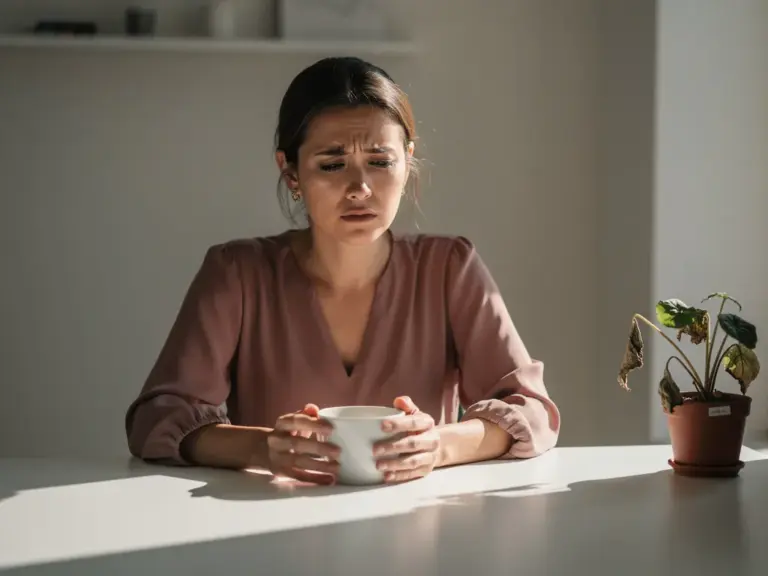
Chronic stress affects women’s health differently than men’s, creating unique challenges across hormonal, physical, and mental health systems. Women experience distinct stress responses due to hormonal fluctuations, reproductive health considerations, and societal pressures, making workplace wellbeing programs particularly important for supporting women’s long-term health outcomes.
Understanding these gender-specific impacts helps women recognize warning signs early and take proactive steps to protect their health. Let’s explore how chronic stress uniquely affects women and what you can do about it.
What is chronic stress and how does it differ from acute stress?
Chronic stress is long-term stress that persists for weeks, months, or years, while acute stress is short-term and resolves quickly after the stressful situation ends. Chronic stress keeps your body’s stress response system constantly activated, leading to ongoing health problems.
Acute stress can actually be beneficial. It helps you meet deadlines, avoid danger, or perform well under pressure. Your body releases stress hormones like cortisol and adrenaline, then returns to normal once the situation passes. This natural response has helped humans survive for thousands of years.
Chronic stress, however, means your stress response never fully switches off. Common triggers include demanding work environments, financial pressures, relationship problems, or caregiving responsibilities. Your body continues producing stress hormones at elevated levels, which eventually damages multiple body systems and impacts your overall wellbeing.
How does chronic stress specifically affect women’s hormonal systems?
Chronic stress disrupts women’s hormonal balance by interfering with estrogen, progesterone, and reproductive hormones, often leading to irregular menstrual cycles, fertility issues, and intensified menopause symptoms.
When you’re chronically stressed, your body prioritizes producing cortisol over reproductive hormones. This happens because your body views survival as more important than reproduction during stressful periods. The result is a cascade of hormonal disruptions that affect your entire reproductive system.
You might notice changes in your menstrual cycle, including missed periods, heavier or lighter bleeding, or increased PMS symptoms. Chronic stress can also reduce fertility by affecting ovulation and implantation. For women approaching or experiencing menopause, stress often worsens symptoms like hot flashes, mood swings, and sleep disturbances.
Additionally, chronic stress affects thyroid function, which regulates metabolism, energy levels, and mood. Many women experience thyroid-related symptoms like unexplained weight changes, fatigue, or difficulty concentrating when dealing with prolonged stress.
What are the physical symptoms of chronic stress in women?
Physical symptoms of chronic stress in women include persistent fatigue, headaches, muscle tension, digestive issues, sleep problems, and frequent infections due to weakened immune function.
Your body manifests chronic stress through various physical symptoms that often develop gradually. Persistent headaches and muscle tension, particularly in your neck, shoulders, and back, are common early signs. You might also experience digestive problems like stomach pain, bloating, or changes in appetite and eating patterns.
Sleep disturbances frequently accompany chronic stress. You may have trouble falling asleep, staying asleep, or waking up feeling rested. This creates a cycle in which poor sleep increases stress levels, which further disrupts sleep quality.
Chronic stress also weakens your immune system, making you more susceptible to colds, infections, and slower wound healing. Some women experience skin problems like acne, eczema, or premature aging. Heart palpitations, high blood pressure, and chest tightness can also occur as your cardiovascular system responds to ongoing stress.
How does chronic stress impact women’s mental health differently than men’s?
Women experiencing chronic stress are twice as likely as men to develop anxiety and depression, often due to different stress-processing patterns, hormonal influences, and social expectations around emotional expression and caregiving roles.
Research shows women tend to internalize stress more than men, leading to rumination and self-blame. This internal processing style can intensify feelings of anxiety and depression. Women also face unique stressors related to balancing career and family responsibilities, often feeling pressure to excel in multiple roles simultaneously.
Hormonal fluctuations throughout your menstrual cycle, pregnancy, and menopause can amplify stress responses and mood changes. The interaction between stress hormones and reproductive hormones creates a more complex mental health picture for women than for men.
Women are also more likely to experience stress-related eating disorders, body image issues, and perfectionism. Social expectations around appearance, behavior, and caregiving can create additional mental health pressures that compound the effects of chronic stress on your psychological wellbeing.
What long-term health conditions can chronic stress cause in women?
Chronic stress in women can lead to serious long-term conditions, including cardiovascular disease, autoimmune disorders, osteoporosis, diabetes, and reproductive health problems like PCOS or early menopause.
Cardiovascular disease represents one of the most serious risks. Chronic stress elevates blood pressure, increases inflammation, and contributes to the development of heart disease. Women under chronic stress have higher rates of heart attacks and strokes, particularly after menopause, when protective estrogen levels decline.
Autoimmune conditions like rheumatoid arthritis, lupus, and thyroid disorders occur more frequently in women with chronic stress. Your immune system becomes dysregulated, sometimes attacking healthy tissues instead of protecting you from genuine threats.
Bone health suffers under chronic stress due to increased cortisol production, which interferes with bone formation and increases the risk of osteoporosis. Chronic stress also contributes to insulin resistance and the development of type 2 diabetes. Additionally, prolonged stress can trigger or worsen reproductive conditions like polycystic ovary syndrome (PCOS) and may lead to premature menopause.
How can women recognize if their stress levels have become chronic?
You can recognize chronic stress when physical symptoms, emotional changes, or behavioral patterns persist for several weeks or months, significantly impacting your daily functioning, relationships, or work performance despite attempts to manage the stress.
Pay attention to persistent physical symptoms that don’t improve with rest or basic self-care. If you’re experiencing ongoing fatigue, frequent headaches, digestive issues, or sleep problems for more than a few weeks, these may indicate chronic stress rather than temporary situational stress.
Emotional indicators include feeling overwhelmed most days, persistent anxiety or irritability, difficulty concentrating, or loss of interest in activities you usually enjoy. You might notice increased emotional reactions to minor situations or feel like you’re constantly “on edge.”
Behavioral changes also signal chronic stress. These include changes in eating patterns, increased reliance on alcohol or other substances, social withdrawal, or decreased productivity at work. If you find yourself unable to relax even during downtime or vacation, this suggests your stress response system isn’t returning to baseline.
Recognizing chronic stress early allows you to take action before it significantly impacts your health. Consider tracking your symptoms, stress levels, and triggers to identify patterns. Joining supportive communities can provide valuable resources and connections with other women facing similar challenges. We also offer wellness-focused events that address workplace wellbeing and stress management strategies. Taking proactive steps to address chronic stress protects your long-term health and helps you build resilience for future challenges. Visit our website to learn more about our programs supporting women’s health and professional development.
Frequently Asked Questions
What's the difference between normal work stress and chronic stress that requires intervention?
Normal work stress comes and goes with specific projects or deadlines and doesn’t significantly impact your health or relationships. Chronic stress persists even when stressors are removed, affects your sleep and physical health, and interferes with your ability to function effectively for weeks or months. If you’re experiencing physical symptoms, emotional changes, or relationship problems that don’t improve with rest or time off, it’s time to seek professional help.
Can birth control or hormone therapy affect how I experience chronic stress?
Yes, hormonal contraceptives and hormone therapy can influence your stress response. Birth control pills may affect cortisol levels and mood regulation, while hormone replacement therapy during menopause can either help stabilize stress responses or sometimes intensify them. If you notice changes in your stress levels or symptoms after starting hormonal treatments, discuss this with your healthcare provider to adjust your approach.
How can I manage chronic stress while juggling work and family responsibilities?
Start with small, manageable changes like setting boundaries around work hours, delegating tasks when possible, and practicing 5-10 minute stress-relief techniques daily. Prioritize sleep hygiene and consider time-blocking for self-care activities. Don’t try to change everything at once—focus on one area at a time, whether it’s improving communication with your partner about household duties or establishing a morning routine that reduces daily stress.
Should I see a doctor about chronic stress, and what type of healthcare provider is best?
Yes, see a healthcare provider if you’ve had persistent stress symptoms for more than a month or if they’re affecting your daily life. Start with your primary care physician, who can assess physical symptoms and rule out underlying conditions. They may refer you to specialists like an endocrinologist for hormonal issues, a cardiologist for heart-related symptoms, or a mental health professional for anxiety and depression management.
Are there specific stress management techniques that work better for women than men?
Research suggests women often benefit more from social support and connection-based stress relief, such as talking with friends or joining support groups. Mind-body practices like yoga, meditation, and journaling tend to be particularly effective for women. However, the key is finding what works for your lifestyle and personality—whether that’s exercise, creative activities, or structured relaxation techniques.
Can chronic stress affect my ability to get pregnant, and is the damage reversible?
Chronic stress can interfere with ovulation, menstrual regularity, and fertility by disrupting reproductive hormones. However, these effects are often reversible with proper stress management and lifestyle changes. If you’re trying to conceive, focus on stress reduction techniques, maintain a healthy diet, get adequate sleep, and consider working with both a fertility specialist and a counselor who specializes in reproductive health.